
These patterns translate principles into actionable design decisions.
Capability Model
What can the system do?
Control & Overrides
How can the system be configured or constrained?
Indication
What is the system doing right now?
Discovery
How do I become aware of this device?
Verification & Inspection
Can I verify and understand this device right now?
Relational Patterns
How is responsible use shaped across people?
Consent & Participation
How can affected users respond?
Infrastructure & Governance
How are systems accountable beyond the interface?
System Layer
How does it all work together?
Application Areas
We’ve used illustrative, hypothetical applications across our chapters and principles to to extract lessons and approaches that you can use in your own product development journey.
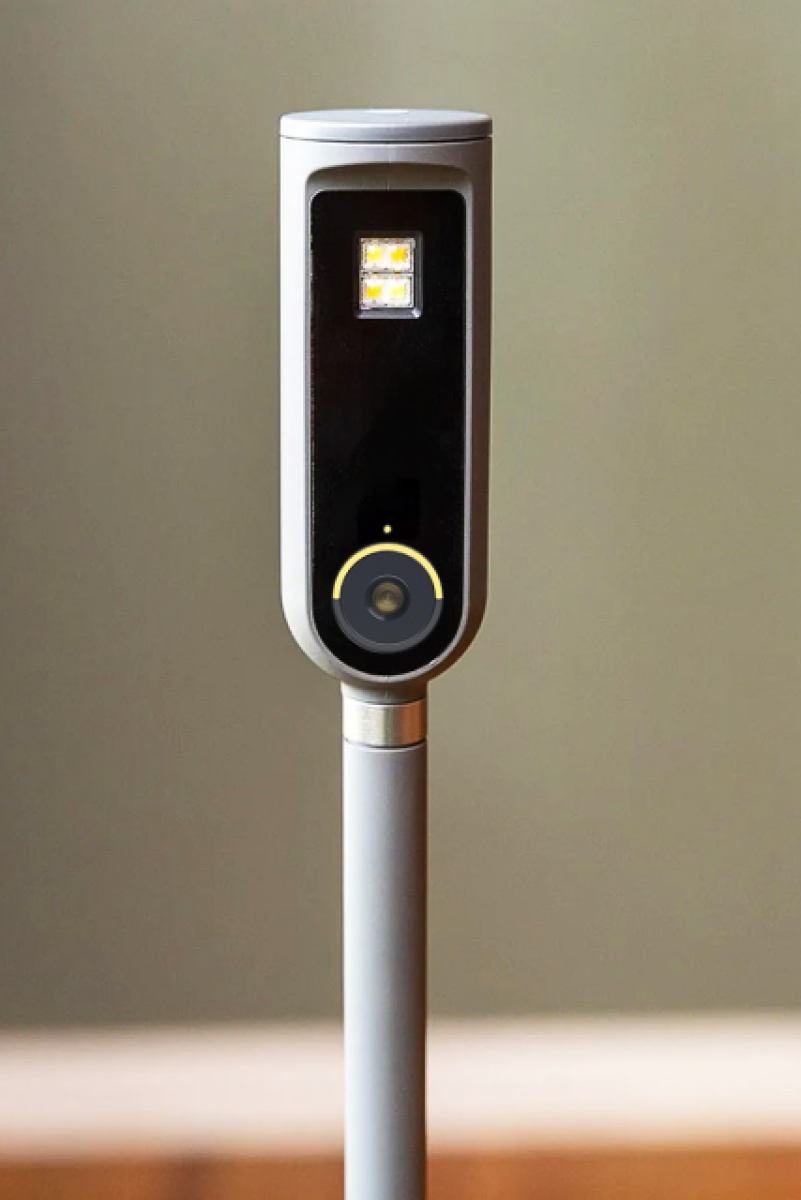
Robots, such as Amazon’s domestic robot Astro, would benefit from inclusive indication systems
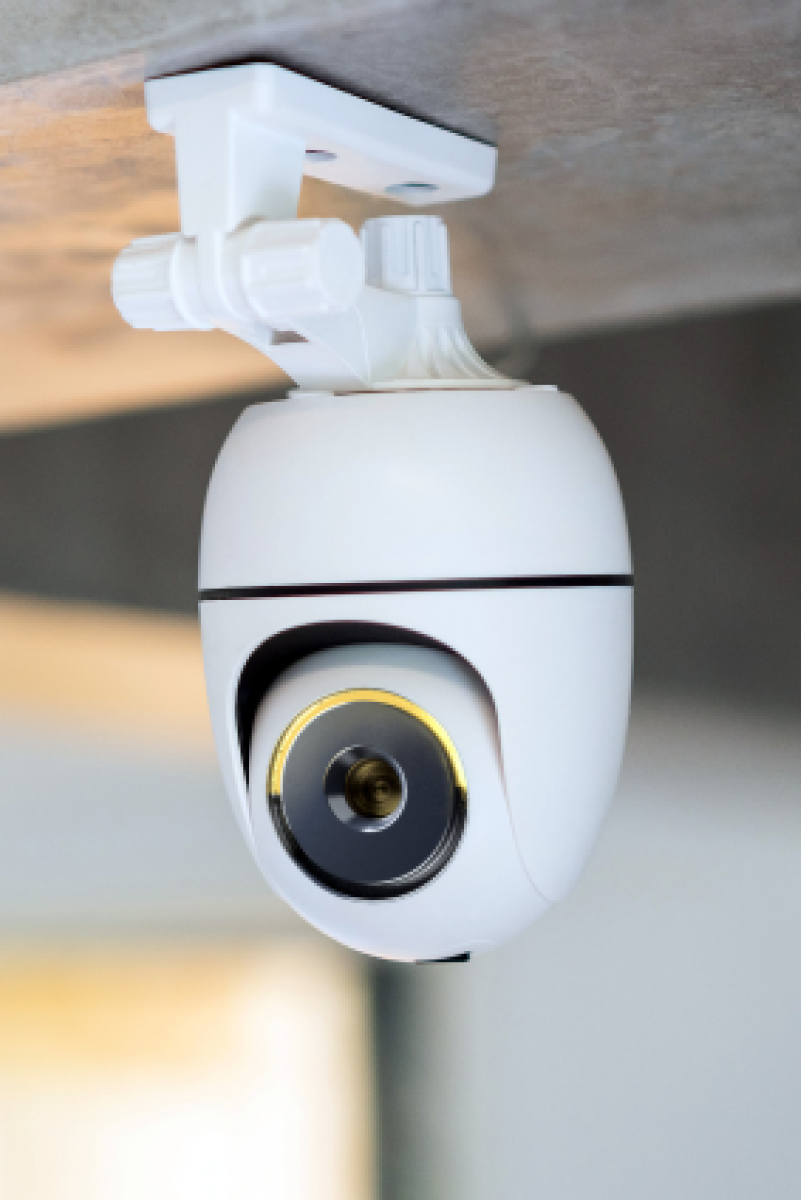
Smart cameras are used in many contexts beyond the home, such as small businesses, caregiving, and public spaces. When combined with Beacons or Shareable Mode Guides, inclusive indicators can provide workers, clients, patrons, and citizens improved peace of mind.

Products, such as Apple’s Vision Pro, might employ Arca-like indicators to communicate with adjacent users.
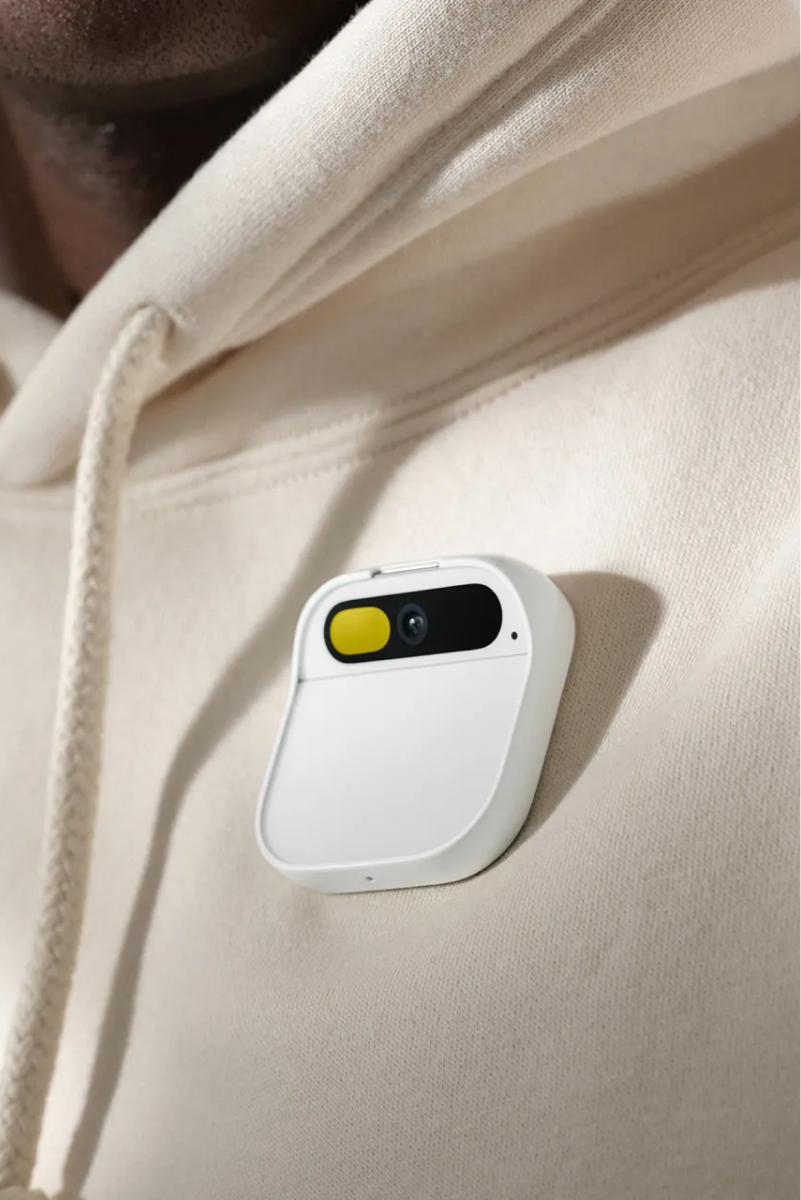
Wearables and generative AI applications, such as the Humane AI Pin, could increase trust with modes similar to Strong Privacy to protect users from “always on” microphone and camera sensing.
Design Principles
Bounded Capability
Legible Indication
Verifiable State
Multi-User Accountability
Controllable Sensing
Resources
Heading
Lorem ipsum dolor sit amet, consectetur adipiscing elit. Suspendisse.
Heading
Lorem ipsum dolor sit amet, consectetur adipiscing elit. Suspendisse.
Heading
Lorem ipsum dolor sit amet, consectetur adipiscing elit. Suspendisse.
Heading
Lorem ipsum dolor sit amet, consectetur adipiscing elit. Suspendisse.