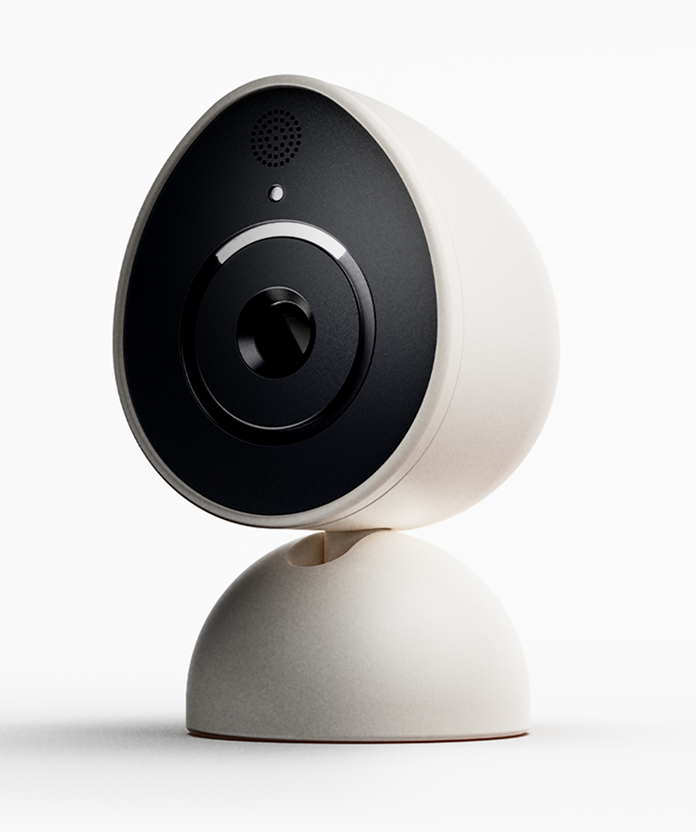
Sensing systems do not just observe—they reshape shared space and social relationships.

Cameras, microphones, and AI-driven perception systems operate across environments inhabited by multiple people, yet they are designed as if they serve a single user.
1
Sensor Spillover
Sensing extends invisibly into shared space, capturing people and environments beyond the primary user.
2
Conflicting Needs
Owners seek security and control; adjacent users seek awareness, limits, and privacy.
3
Power Imbalance
Owners seek security and control; adjacent users seek awareness, limits, and privacy.
4
Market Incentives
Products are designed for buyers, not for those they affect.
How This Shows Up in Practice
These conditions produce recurring failures in how sensing systems are designed and experienced:
Over-Sensing [or: Excess Capture]
Systems capture more data than is necessary—continuous video, audio, or tracking where partial or reduced sensing would suffice.
Under-Signaling [or: Weak Indication]
Systems provide minimal, inconsistent, or ambiguous feedback about what they are doing.
All-or-Nothing Sharing
Control is binary: full access or no access, with few meaningful intermediate states.
Interface Asymmetry
Primary users get rich interfaces and controls; adjacent users get little more than a small, ambiguous indicator—if anything at all.
Together, these create a fundamental mismatch: Sensing systems operate broadly, but remain narrowly visible, controlled, and accountable.
The result is uncertainty, mistrust, and conflict across homes, workplaces, and public environments.

Legible Sensing is a structured framework for making sensing systems legible, controllable, verifiable, and accountable across users.
Bounded Capability
Define and enforce clear limits on sensing capabilities
Legible Indication
Make system state visible and understandable
Verifiable State
Enable independent verification of system states
Multi-User Accountability
Ensure accountability to affected users
Controllable Sensing
Provide meaningful control over sensing
Capability
What the system can do
Control
How sensing can be configured or constrainede.
Indication
How the system expresses its current state
Discovery
How others become aware of the device
Verification
How claims about the system are checked and trusted
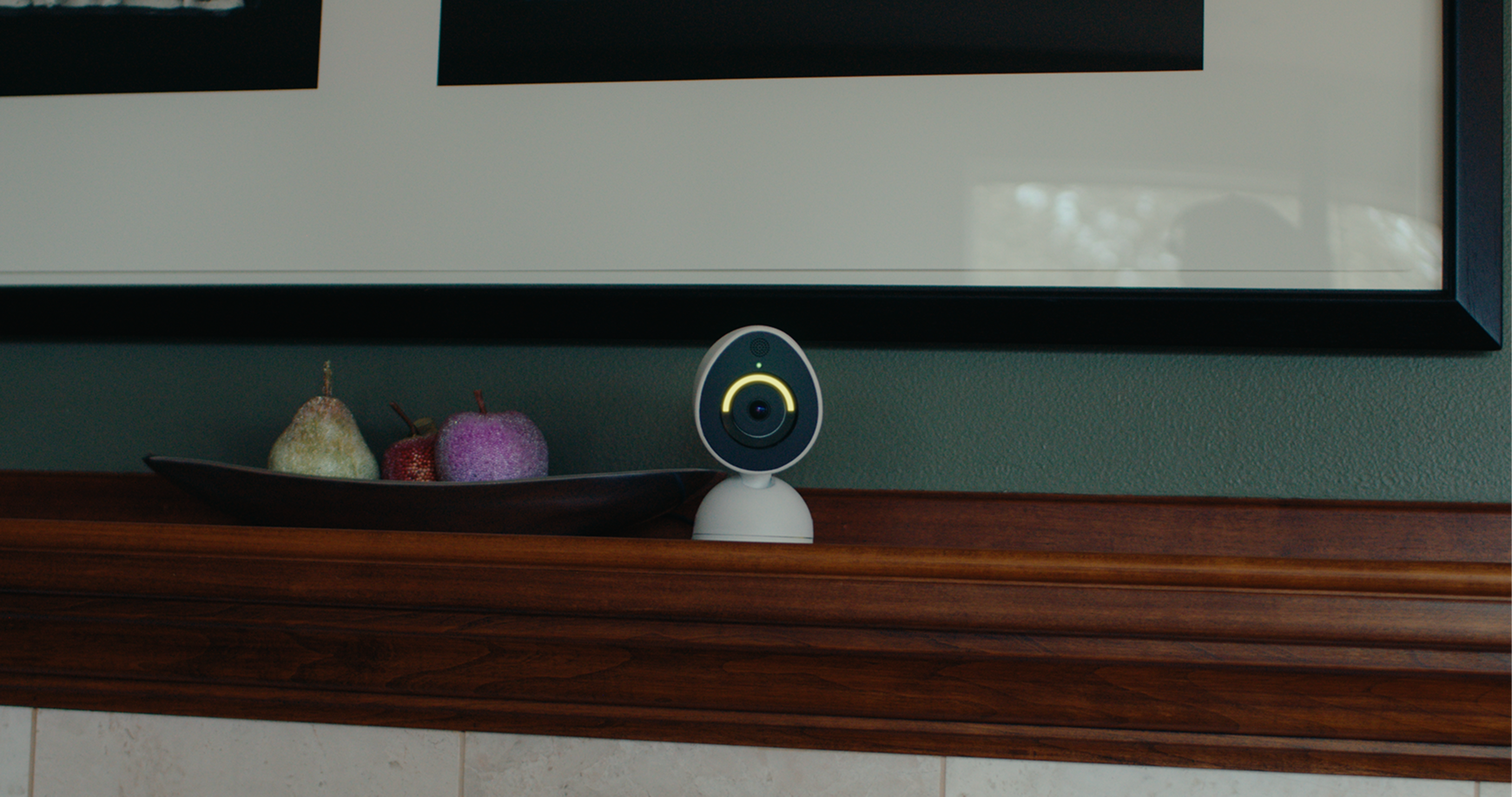
Arca is a prototype that demonstrates Legible Sensing in action.
True On / True Off
Sensor Dimmers
Absent Capabilities
Indicator Correspondence
Verification Share Sheets